
- Prism Media
- Wednesday, May 29th, 2019
- 550 views
- no Comments
Graphic Design Portfolio Tips: What Recruiters Actually Look For in 2026
Graphic Design Portfolio Tips: What Recruiters Actually Look For in 2026
Prism Media Animation Insight | Portfolio Guide | Graphic Design
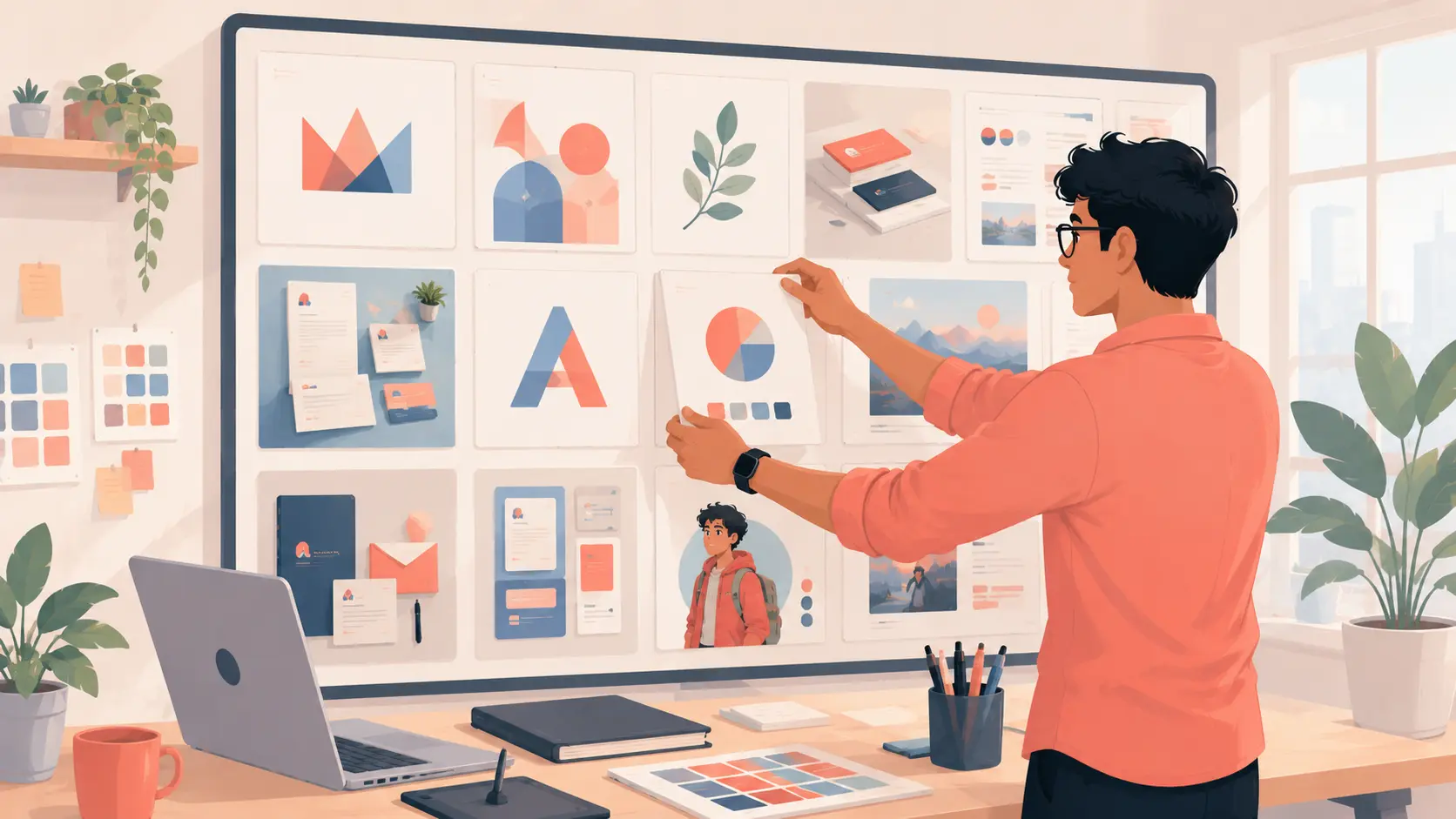
Most design students spend months perfecting individual pieces of work and almost no time thinking about how those pieces get presented together. That’s a mistake — a portfolio isn’t just a collection of your best work, it’s a piece of design in itself, and recruiters judge it that way whether they say so or not.
At Prism Media Animation, portfolio-building is woven into our Graphic Design training in Bhubaneswar from the very beginning, because we’ve seen how much a well-structured portfolio changes hiring outcomes for otherwise equally skilled students. Here’s exactly what to focus on.
Why Portfolio Presentation Matters as Much as the Work Itself
A recruiter or hiring manager reviewing design portfolios is, by definition, evaluating your design judgment. A portfolio that’s cluttered, inconsistently formatted, or hard to navigate sends a signal about your attention to detail — regardless of how strong the individual projects inside it actually are. The portfolio is your first, and sometimes only, design brief that truly matters.
9 Tips to Build a Portfolio That Actually Gets You Hired
1. Lead With Your Strongest Project, Always
Never arrange a portfolio chronologically. Whatever project best demonstrates your strongest thinking and execution should be first — recruiters often decide whether to keep scrolling within the first ten to fifteen seconds.
2. Show Process, Not Just Final Output
A single polished final image tells a recruiter you can execute. Showing sketches, iterations, and the reasoning behind key decisions tells them you can think — which is what separates a designer from someone who can operate design software.
3. Frame Every Project as a Case Study
Instead of just showing a logo, briefly explain: what was the brief or problem, what alternatives were explored, and why the final direction was chosen. Even two or three sentences of context per project dramatically increases how seriously a portfolio is taken.
4. Curate Ruthlessly — Quality Over Quantity
Five to eight genuinely strong projects beat twenty inconsistent ones. Padding a portfolio with weaker work to seem more prolific almost always backfires, since recruiters weight your weakest included project as a signal of your floor, not just your ceiling.
5. Show Depth Within a Focus Area
If you’re targeting brand identity work, your portfolio should demonstrate real depth there — multiple brand systems, thoughtful typography and color choices, applied mockups — rather than one branding project sitting alongside unrelated packaging and UI work with no throughline.
6. Include Real Client Work Wherever Possible
Even small, low-budget real client projects — a friend’s small business, a college event, a local nonprofit — carry more weight than purely speculative personal projects, because they demonstrate you can navigate real constraints and feedback, not just execute a self-directed brief.
7. Design the Portfolio Itself With the Same Care as Your Work
Typography, spacing, and consistency across your portfolio’s own layout matter just as much as the projects inside it. An inconsistent, cluttered portfolio undercuts even strong individual work by signaling weak execution discipline.
8. Keep a Digital Version That’s Easy to Share and Browse
A portfolio website or a clean, well-organized PDF that’s easy to send and browse on any device removes friction from the hiring process. Recruiters reviewing dozens of applicants will skip portfolios that are awkward to access or slow to load.
9. Update It Continuously, Not Just Before a Job Search
Your strongest current work should regularly replace your weakest included work. A portfolio that hasn’t changed in a year signals stagnation, even if you’ve genuinely grown as a designer since it was last updated.
Common Portfolio Mistakes That Cost Interviews
- Including outdated or weaker early work just to pad the total count
- Showing only final images with no explanation of thinking or process
- Mixing too many unrelated specializations without a clear focus
- Inconsistent formatting and presentation across different projects
- No context about the brief, audience, or constraints behind each project
What This Looks Like for Students Just Starting Out
If you don’t have real client work yet, well-executed speculative projects — a fictional but realistic brand identity brief, a redesign of an existing product’s packaging — are a completely valid way to demonstrate skill, as long as they’re framed with the same case-study thinking as real client work. What matters most is showing genuine design reasoning, not just where the project came from.
Frequently Asked Questions About Design Portfolios
How many projects should be in a graphic design portfolio?
Five to eight strong, well-curated projects is typically ideal — enough to show range and depth without diluting quality with weaker filler work.
Should I include personal or speculative projects if I don’t have client work yet?
Yes — well-executed speculative projects with realistic briefs are a valid way to demonstrate skill, especially early in your career, as long as they’re presented with clear reasoning and context.
Is a portfolio website necessary, or is a PDF enough?
Either can work well, as long as it’s clean, easy to navigate, and quick to access. A portfolio website offers more flexibility for interactive or motion-based work, while a well-designed PDF is often simpler to maintain and share directly.
How often should I update my portfolio?
Continuously, ideally — your strongest current work should regularly replace weaker or older included projects, rather than treating portfolio updates as a one-time task before a job search.
Want to Build a Career in Graphic Design at Prism Media Animation?
Explore professional training in:
- Graphic Design
- Animation & VFX
- Video Editing & Motion Graphics
Prism Media Animation – Learn. Create. Transform.

Prism Media
Search
Categories
- Animation (9)
- Computer (2)
- graphic design (6)
- Photography (2)
- Uncategorized (6)
- Visual effects (2)
Latest Post
-
Monday, February 2nd, 2026
10 Things You Need to Know About a 3D Animation Career in 2026
-
Thursday, October 3rd, 2024
10 Software Tools Every 3D Animation Student Must Learn in 2026
-
Tuesday, July 25th, 2023
-
Monday, December 26th, 2022
Things to Check Before Choosing a 3D Animation Institute in Bhubaneswar
-
Saturday, July 9th, 2022

Book a Free Demo
Experience the difference with our programs! Book a free demo to explore how our courses can help you achieve your academic and career goals. Don't miss this opportunity! Schedule your free demo today and take the first step towards a brighter future!
Book Now© Copyright 2026 by PrismMedia
0 Comment